Project Zomboid Base Defense and Wall Building
Materials, carpentry gates, and zombie pressure math for Build 42.20 fortified bases
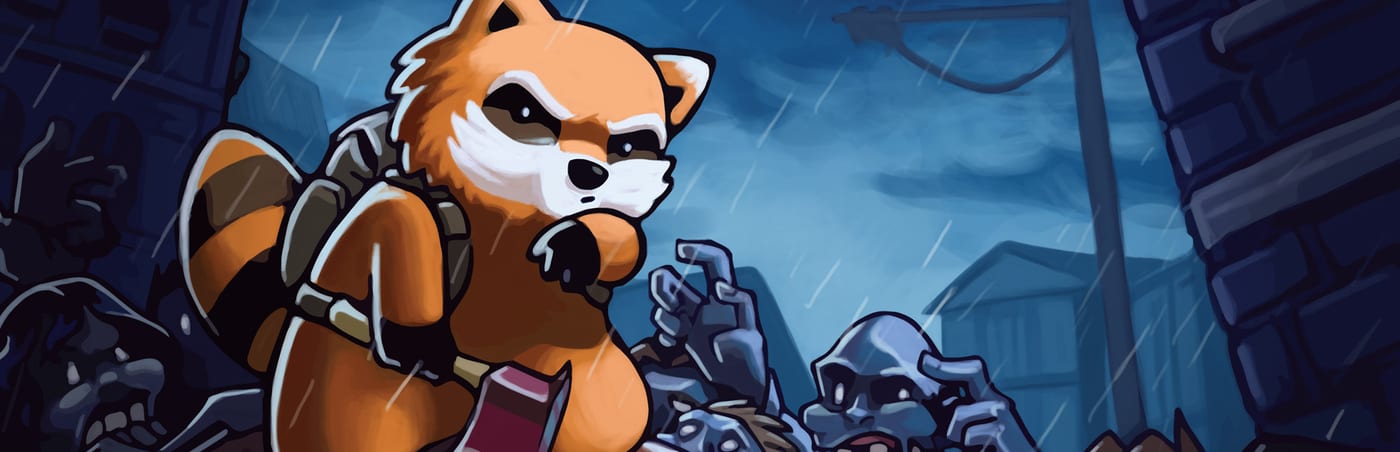
Horde nights expose weak walls. Build 42.20 changed how zombies interact with fortification: log walls now beat basic wood frames at meaningful durability tiers, metal sheets raise maintenance demands, and brick walls demand a masonry bench plus a steady mortar supply. Build 42 also expanded the carpentry tree so a fresh survivor can layer defenses without burning weeks on skill books. This guide covers wall types, base HP math, zombie damage rules, gate placement, and the right defensive upgrade order for solo and co-op bases.\n\nFor broader layout, see Safehouse Selection and Best Base Locations. For base power, pair this with Generators and Power before you wire lights into your fortification line.\n\n## How zombies damage walls in Build 42.20\n\nVanilla Project Zomboid zombies attack solid barriers they can see and reach. The damage calculation rewards thicker materials over wider footprints:\n\n- Wooden Wall Frame (Carpentry 2): 450 base HP. Cheapest option, but lasts one or two horde days against an active migration.\n- Wooden Wall Frame upgrade tier 1 (Carpentry 4): 550 HP. Same silhouette, same labor, double the durability over time.\n- Wooden Wall Frame upgrade tier 2 (Carpentry 6): 650 HP. Recommended first target for any long-term base.\n- Log Wall (Carpentry 5+): Significantly higher HP than wood and unique damage reduction against crawler lunges; logs come from Hunting and Tracking runs or lumber yard raids.\n- Metal Sheet wall (Welding or Electrical + Scrap): Highest burst HP in vanilla; needs maintenance or it rusts.\n- Brick Wall (Pottery and Masonry bench + Mortar): Endgame-tier HP and the only wall that shrugs sustained melee horde days.\n- Stone Wall (Masonry + Cement): Slowest build, hardest to repair; choose only on permanent fortified bases near rivers or quarries.\n\nMatch wall tier to the horde threat in your area. Riverside lakefronts and Brandenburg parking lots need stronger walls than an Ekron farmhouse. See Knox County Towns for the typical zombie density around your spawn.\n\n## Wood frames: cheap, easy, upgradeable\n\nWooden Wall Frames are the Build 42 first-defense option. The carpentry skill gates are: frame built at Carpentry 2, first upgrade at Carpentry 4, second upgrade at Carpentry 6. This three-tier cadence lets a survivor invest skill points gradually instead of grinding blindly.\n\nPractical upgrades:\n\n- Frame the perimeter first. Always. Empty interiors still leak zombies through windows; frame the wall, board the windows.\n- Place sheet rope escape points at the back of the fortification. Pair with Sheet Ropes so an interior breach does not trap you.\n- Stack upgrades instead of replacing. Demolishing a level-2 frame to rebuild at level-3 wastes nails and time. Upgrade in place when possible.\n- Combine with barricades on windows. Use Barricades for short-term fortifications until your carpentry reaches upgrade tier 2.\n\nWood frames do not stop fire. Treat a wood-walled base as one fire source away from total loss unless you also invest in Firefighter or First Responder traits and keep water barrels nearby.\n\n## Log walls: the mid-game power spike\n\nLog walls cost more time and lumber but reward patience. Each log wall section adds significant HP plus damage reduction against crawler lunges-a behavior Build 42 introduces explicitly so log bases survive basement raids better than wood bases.\n\nBuild flow:\n\n1. Clear a felling path with Hunting and Tracking experience. Axe quality matters; pair with a wood axe from Best Vehicles trunk loot.\n2. Transport logs to the build site. A truck or hand cart halves effort; see Towing Trailers.\n3. Stack log walls on the most-migrated faces first. Riverside west face and Brandenburg parking approaches see the most pressure.\n4. Cap log walls with a watchtower or sniper perch so your group can shove from height.\n\nFor group play, log walls pair well with metal sheet roofs. The metal slows fire damage to the log stack from incendiary hordes.\n\n## Metal sheets and welding requirements\n\nMetal Sheet walls give the highest single-layer HP in vanilla. The cost is scrap metal and either Welding 3 or Electrical 4 with a sheet metal recipe. Plan scrap runs to industrial zones on Loot Routes before you commit.\n\nMaintenance:\n\n- Metal sheets rust when exposed to constant rain. Roof coverage from a top-floor build protects the investment.\n- Welding repairs are cheaper than rebuilding, so keep a welder character in the group or learn welding through Skill Books and TV.\n- Metal traps heat in summer; place them on the shaded side of the base.\n\nMetal sheets lose HP against sustained fire, just like wood, but the damage curve is flatter. Treat them as your fortification mid-game solution before pottery and masonry unlocks brick production.\n\n## Brick and stone: the endgame walls\n\nBrick walls come from the Pottery and Masonry bench plus mortar, sand, and fire clay. The bench is a multi-day build in itself; plan a long-term staging base before you commit.\n\nWhy brick wins:\n\n- Highest HP per tile in vanilla.\n- Fire-resistant far beyond wood and metal.\n- Repairs with mortar instead of welding rods, so a Pottery character can patch after raids.\n- Accepts both windows and wall-mounted torches for perimeter lighting.\n Stone walls are even more durable but cost cement and skilled labor. Reserve them for permanent river or quarry bases where a single bad week does not erase your investment.\n\n## Watchtowers, gates, and chokepoints\n\nWalls alone do not save a base. Layer them with:\n\n- Watchtower or sniper perch: overlooks the perimeter so shove-fights happen at your height, not theirs. Most bases climb on furniture; a proper watchtower still requires carpentry.\n- Double-door gates: Build a small courtyard with two staggered gates so zombies path into a kill zone. Single gates break fast.\n- Sheet rope escape: every fortification needs at least one rear exit per Sheet Ropes.\n- Spike trap and trap trigger combos: Reduce pressure on your gate defenders. Pair with Trapping for crafting inputs.\n
Defending against helicopter-driven hordes\n\nA helicopter event can redirect hundreds of zombies at your fortification. Plan for it:\n\n- Schedule defenses before the 6-9 day window from Helicopter Event.\n- Stack metal sheets on the facing side if the noise comes from a known route.\n- Post defenders with bows or pistols on the watchtower so ammo is preserved.\n- Switch off external lights during the flight window to avoid additional migration.\n\nThe most successful long-term bases treat the helicopter event as a quarterly stress test, not a surprise.\n\n## Perimeter defenses without walls\n\nNot every base wants walls. Rural farmhouse bases sometimes use:\n\n- River cliffs as natural barriers.\n- Vehicle barriers: stacked trucks, fences, and tire stacks slow crawlers enough that shoves finish them.\n- Existing chain link fences: chain link slows sprinters longer than wood frames, especially at corners.\n- Tire stacks: cheap firebreak walls that confuse pathing.\n
Treat natural defenses as the foundation; layer carpentry upgrades only where zombies consistently path.\n\n## Group roles in fortified bases\n Assign responsibilities:\n
- One carpenter: Frame, upgrade, repair walls and watchtowers.\n- One welder or metalworker: Maintain metal sheets and vehicles.\n- One farmer or forager: Stockpile food so defenders stay fed and never break formation.\n- One scout or radio operator: Track migrations and helicopter events.\n Rotate roles every few weeks so the group does not depend on a single character surviving. Use Returning Players wisdom when you bring someone back from a break.\n\n## Defense checklist before you trust a base\n
- All four exterior walls upgraded at least one tier beyond wooden frames.\n2. Sheet rope escapes on at least two sides.\n3. Barricades or boarded windows on every ground-floor opening.\n4. Watchtower or sniper perch with line of sight to your gate.\n5. Interior firebreak: a cleared strip of dirt or stone between outer walls and inner storage.\n6. Water barrels and fire extinguishers inside the perimeter.\n7. Generator and lighting plan that fails safe when the generator is off.\n\nRun this list quarterly. Wall HP does not warn you when it is failing.\n\n## Patch and Early Access note\n\nThe 42.20.3 stability patch did not change wall HP numbers, but the mapping expansion added new tile types whose walls are visually similar yet built with slightly different base HP. Re-test your base after any mapping patch. The 42.20.4 security hotfix closed a
loadstringloophole some servers used for instant repair mods; community patches now require a manual rebuild on 42.20.4-clean baselines. See Hotfix 42.20.4 before you trust server-side modded walls.
Frequently Asked Questions
Quick answers to the most common questions.
What is the strongest vanilla wall in Build 42.20?
Brick walls via the Pottery and Masonry bench give the highest HP per tile. Stone walls are tougher but slow to build; metal sheets win on burst HP but require welding maintenance.
What carpentry level do I need for wall upgrades?
Wooden Wall Frames at Carpentry 2, first upgrade at Carpentry 4, second upgrade at Carpentry 6. Log walls need Carpentry 5+ and reliable lumber runs.
Do walls need maintenance?
Wood frames do not, but metal sheets rust and brick walls occasionally need mortar repairs. Plan maintenance roles before the first horde day.
Can a base survive a helicopter event?
Yes, if walls are upgraded, you have a watchtower, and you time lighting. Plan for the 6-9 day window from Helicopter Event instead of being surprised.
Are there defenses that do not need walls?
Yes. River cliffs, chain link fences, vehicle barriers, and tire stacks slow zombies long enough for melee groups. Pair with Trapping for added crowd control.