Project Zomboid Perks and Abilities in Build 42
How the perk and skill system works, and why multi-discipline builds dominate late-game survival.
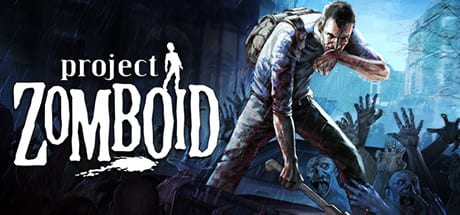
Project Zomboid does not hand out perk points at level-up. There are no skill trees to unlock and no talent branches to commit to. Instead, your character grows through a passive XP system tied directly to actions: swing an axe enough times and Strength climbs, run until your lungs burn and Fitness follows. Build 42 Early Access carries forward this philosophy while refining the skill categories, adjusting XP curves on several weapon types, and expanding the ability chains that tie individual skills into cohesive build identities. This guide explains how the system actually works, how to level efficiently, and why multi-discipline characters outlive specialists in almost every survival scenario.
How XP accumulation works
Every action in Project Zomboid can train a related skill. The game tracks XP per skill and awards level-ups when the cumulative threshold is reached. The relationship between action and skill is logical: melee swings train Strength or the relevant weapon skill, running and swimming train Fitness, reading trains Aiming or the relevant crafting skill, and so on. The XP per action is small, but repetition compounds.
The critical detail is that weapon skills level based on weapon type used, not just on hitting zombies. A long blunt weapon trains Long Blunt with every swing, even misses. A handgun trains Small Edged when used for sawing materials. This means you can pre-train certain skills in safe environments, long before combat becomes necessary.
Passive XP from activities is the most reliable progression path for the first month. For a full breakdown of which actions train which skills and at what rates, see the Skills XP page. Reading skill books multiplies XP gains dramatically, which makes the early scavenging of Skill Books and TV Shows one of the highest-leverage activities in any run.
The four skill categories
Skills fall into four broad groups that each serve different survival roles.
Weapon skills govern combat effectiveness. They include Small Edged, Long Blunt, Long Blade, Axes, Small Arms, Rifles, and Aiming. Each weapon type has its own skill track. Higher weapon skill means faster kills, lower endurance cost per swing, and better accuracy with firearms. Weapon skills also influence which weapon modifications become available at the crafting bench.
Survival skills cover the non-combat abilities that keep you fed, hydrated, and healthy. This group includes Fishing, Foraging, Trapping, and Hunting. These skills determine what you can harvest from the environment, the quality of what you harvest, and the efficiency of your passive food acquisition. Level 5 Foraging lets you identify more plant types; level 8 or 9 Foraging makes edible plant identification nearly automatic in green biomes.
Domestic skills handle crafting, repair, and medical knowledge. Carpentry, Tailoring, Repair, Cooking, and First Aid fall here. These skills gate the most powerful base-building and survival tools in the game. Without sufficient Carpentry, you cannot build fortifications, stairs, or storage. Without First Aid, wound treatment options stay limited. See Carpentry for the full recipe unlock chart.
Crafting and knowledge skills include Electrical, Mechanics, and Metalworking. These govern vehicle repair, generator installation, and the fabrication of advanced tools. Late-game bases run on generators wired by high-Electrical survivors, and functional vehicles require Mechanics investment to keep running beyond their first breakdown.
Recipe unlocking and capability gates
Skill levels do not just make activities faster or more effective—they unlock entirely new options. Many of the game’s most important recipes require a minimum skill level before they appear at the crafting menu. A character with Carpentry 2 cannot build a forged door, no matter how many logs are stockpiled. A cook with Cooking 4 cannot attempt the高级 meal recipes that provide substantial mood and endurance buffs.
This creates a layered progression: early weeks are about scavenging pre-made items and raising core skills just enough to unlock the next tier of crafting. A character who reaches Carpentry 6, First Aid 5, and Aiming 4 has access to a completely different set of survival options than one stuck at level 3 across all three. Planning skill progression is therefore inseparable from planning what your character will eventually be able to do.
Multi-discipline versus specialization
The temptation in Project Zomboid is to pour all XP into a single weapon skill and become a lethal specialist. This works until the moment you need to repair your weapon, treat a wound, or build a secure shelter—none of which combat skill helps with. Specialists thrive in short runs or server environments with quick respawns. Sustainable survival favors multi-discipline builds.
A balanced survivor with moderate investment across several skills handles the varied demands of an extended Knox County campaign. The recommended minimum thresholds are: Carpentry 6 for structural flexibility, First Aid 5 for reliable wound care, one weapon skill at 6 or higher for combat efficiency, and Fitness or Strength sufficient to avoid exhaustion on normal loot runs. Anything beyond those thresholds becomes situational based on your preferred play style and server settings.
Occupations and Builds give structured starting bonuses that bias characters toward specific disciplines. A Lumberjack starts with elevated Axe and Forestry skills, which accelerates the wood-based base-building path. A Repairman begins with elevated Electrical and Mechanics, making vehicle and generator work accessible early. Pairing an occupation bonus with a complementary trait selection from the Traits Tier List is the most efficient way to build a specialized hybrid who does not fall apart when the specialized activity is unavailable.
Traits and occupation bonuses
Traits modify starting skills, attribute caps, and passive abilities. They cost points during character creation, and spending points on the right combination determines your early-game ceiling more than any other decision. Agile adds two levels to Nimble and Lightfoot, making stealth approaches dramatically safer. Adventurous increases foraging yields from the start. Fast Learner triples XP gain across all skills, which compounds dramatically over a long save.
Occupations work differently: they provide a small set of large bonuses to specific skill categories rather than broad coverage. The firefighter tree boosts Strength, Fitness, and Sprinting. The police officer tree amplifies Aiming and Reloading. The carpenter tree accelerates Carpentry and Repair. Occupation choice shapes which skills plateau first and which remain a grind throughout the early campaign.
Neither trait nor occupation selection is permanent in sandbox mode, but default survival locks them in. Understanding the interaction between the two systems before starting a character prevents the frustration of a build that cannot open a needed recipe at a critical moment.
Efficient leveling strategies
Reading skill books is the single most impactful leveling activity available. Each book type multiplies XP for its associated skill. Aiming books multiply Aiming XP, Electrical books multiply Electrical XP, and so on. Stacking multiple reading sessions per day, particularly when rested and well-fed, maximizes the multiplier effect. The Skill Books and TV guide covers which books exist, where to find them, and how to organize a reading schedule that does not interfere with survival tasks.
Activity-based XP is less efficient per hour than reading, but it is available during tasks you would do anyway. Clearing a neighborhood with a specific weapon simultaneously trains that weapon skill and Strength. Fishing for an afternoon trains both Fishing and Trapping indirectly through related tool use. Smart players match their leveling activity to their survival activity rather than treating them separately.
Fitness and Strength are special cases. They do not benefit from skill books at all. Their XP comes entirely from physical activity and combat. The Fitness and Exercise guide covers the Exercise menu, workout selection, and protein nutrition that drive these two skills efficiently.
Late-game thresholds
Skill level 5 is the median baseline. Most starting characters begin between level 3 and 6 depending on occupation and trait selection. At level 5, characters can use intermediate recipes, handle moderate zombie density without excessive risk, and sustain light farming or foraging operations.
At level 7 and 8, the gap becomes meaningful. Weapon skills at 7 enable weapon modifications that dramatically alter combat feel. Carpentry at 8 unlocks reinforced concrete and industrial-tier building materials. First Aid at 8 allows blood bag transfusions and advanced pharmaceutical crafting. These thresholds define when a survivor transitions from reactive scrap-heap survival to proactive base-building and territorial control.
Level 10 is the practical ceiling for most skills without extraordinary XP investment. At level 10 weapon skills, characters kill significantly faster, suffer less endurance cost per swing, and can execute advanced combat maneuvers. Aiming 10 with a quality rifle and appropriate optics makes long-range engagement viable for defending chokepoints. The difference between level 6 and level 10 in a weapon skill is the difference between a manageable encounter and a trivial one—but getting there requires weeks of consistent use or optimized book stacking.
Build 42 changes
Build 42 refines several systems that affect skill progression. Animation timing changes on several weapon types alter effective XP per minute for those skills. Some recipe unlock levels were adjusted to smooth the early-to-mid-game transition. The examination of existing save files against new patch XP tables is ongoing in the community; check the Build 42 patch notes for official changes as they are documented.
The underlying philosophy remains consistent: skills grow through use, books accelerate growth, and balanced characters survive longer than one-trick specialists. No patch changes the fundamental advice—read books, vary your activities, and invest in the skills your play style actually demands rather than the ones that look impressive on a character sheet.
Frequently Asked Questions
Is there a classic perk point system in Project Zomboid? No. Project Zomboid uses a passive skill XP system. Characters gain experience by performing related actions, and skills level up automatically when XP thresholds are reached. There are no selectable perks or talent trees—just skill levels that unlock recipes, improve effectiveness, and gate certain character capabilities.
What is the fastest way to level weapon skills? Reading the corresponding skill book immediately before extended practice sessions maximizes XP gain through the book multiplier. Using the weapon type you want to train during routine activities compounds gains over time. Focus on one weapon category per phase of the game rather than splitting XP across multiple weapon types.
Should I specialize or keep skills balanced? For extended survival campaigns, multi-discipline builds outperform specialists. Aim for Carpentry 6, First Aid 5, one weapon skill at 6+, and Fitness/Strength adequate for your activity level. Specialists work in short runs or co-op servers with frequent respawns where someone else covers the gaps.
Do Fitness and Strength have skill books? No. Fitness and Strength gain XP only through physical activity: the Exercise menu for structured training, running and swimming for Fitness, combat swings and heavy lifting for Strength. See the Fitness and Exercise guide for efficient training routines that do not leave you exhausted during zombie encounters.
How do traits and occupations affect starting skills? Traits add point-cost modifiers to specific skills or grant passive bonuses like faster XP gain. Occupations provide large starting bonuses to a small skill set—for example, Lumberjack starts with elevated Axe and Forestry skills. The combination determines your early-game ceiling more than any other character creation decision. Review both before starting a new save.
What changes in Build 42 skill progression? Build 42 adjusted animation timing for several weapon types, which affects XP per action for those skills. Some recipe unlock levels were rebalanced to smooth early-game progression. The core philosophy remains unchanged: skills grow through use, books accelerate growth, and balanced builds survive longer. Check official patch notes for the complete list of per-skill adjustments as they are documented.
Frequently Asked Questions
Quick answers to the most common questions.
Is there a classic perk point system in Project Zomboid?
No. Project Zomboid uses a passive skill XP system. Characters gain experience by performing related actions, and skills level up automatically when XP thresholds are reached. There are no selectable perks or talent trees—just skill levels that unlock recipes, improve effectiveness, and gate certain character capabilities.
What is the fastest way to level weapon skills?
Reading the corresponding skill book immediately before extended practice sessions maximizes XP gain through the book multiplier. Using the weapon type you want to train during routine activities compounds gains over time. Focus on one weapon category per phase of the game rather than splitting XP across multiple weapon types.
Should I specialize or keep skills balanced?
For extended survival campaigns, multi-discipline builds outperform specialists. Aim for Carpentry 6, First Aid 5, one weapon skill at 6+, and Fitness or Strength adequate for your activity level. Specialists work in short runs or co-op servers with frequent respawns where someone else covers the gaps.
Do Fitness and Strength have skill books?
No. Fitness and Strength gain XP only through physical activity: the Exercise menu for structured training, running and swimming for Fitness, combat swings and heavy lifting for Strength. See the Fitness and Exercise guide for efficient training routines that do not leave you exhausted during zombie encounters.
How do traits and occupations affect starting skills?
Traits add point-cost modifiers to specific skills or grant passive bonuses like faster XP gain. Occupations provide large starting bonuses to a small skill set—for example, Lumberjack starts with elevated Axe and Forestry skills. The combination determines your early-game ceiling more than any other character creation decision. Review both before starting a new save.
What changes in Build 42 skill progression?
Build 42 adjusted animation timing for several weapon types, which affects XP per action for those skills. Some recipe unlock levels were rebalanced to smooth early-game progression. The core philosophy remains unchanged: skills grow through use, books accelerate growth, and balanced builds survive longer. Check official patch notes for the complete list of per-skill adjustments as they are documented.