Project Zomboid Animal Care, Tracking, and Butchering
Keep livestock calm, follow tracks, and process meat without wrecking the pen
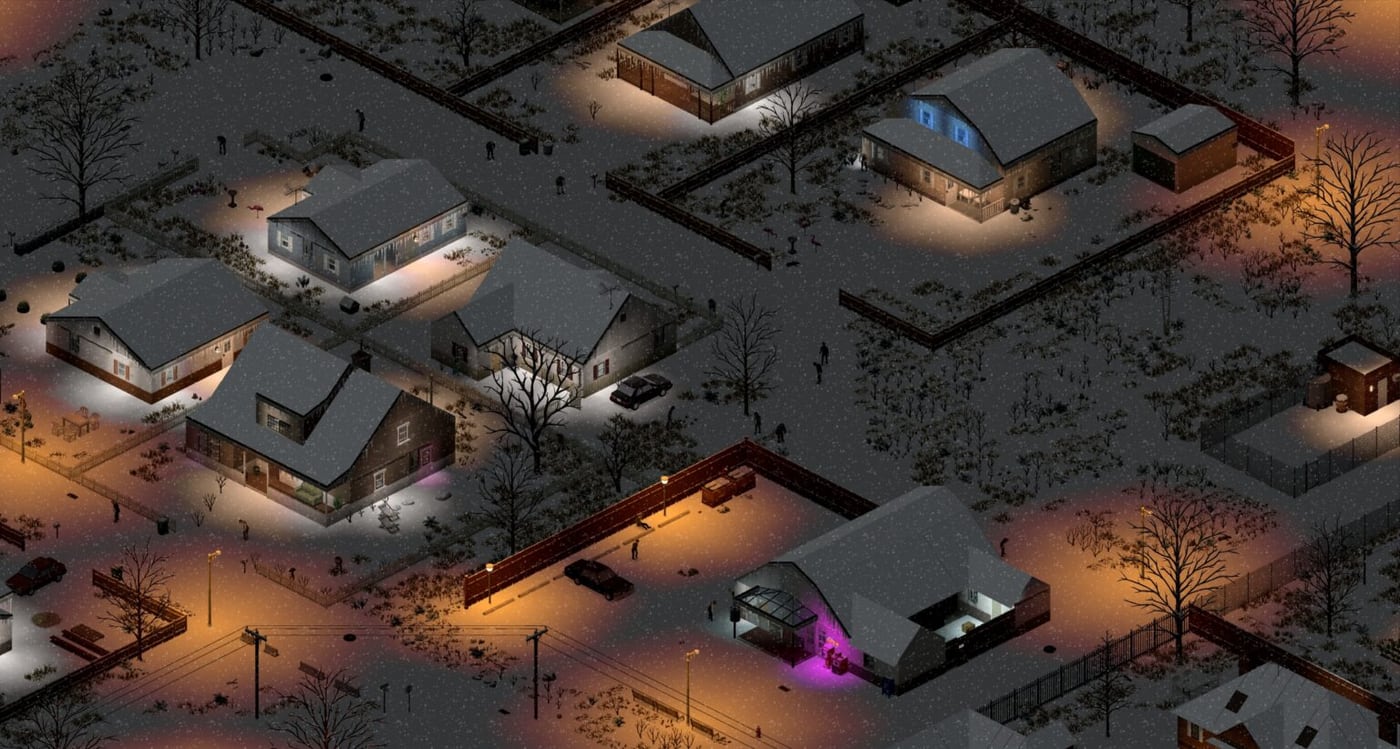
Build 42 made animals a survival pillar, not scenery. Chickens, sheep, pigs, cows, rabbits, rats, and deer now eat, drink, stress, breed, and yield eggs, milk, wool, manure, meat, and leather. Three skills sit under that loop: Animal Care for living stock, Tracking for wild signs in Search Mode, and Butchering for corpses on a hook instead of the dirt.
Use this page when you are ready to zone a pen or follow prints. Crop seasons belong on Agriculture. Pen layout and feed logistics overlap Farming and Animals. Wild pursuit and trap lines also sit on Hunting and Tracking and Trapping.
Animal Care: zones, shelter, and stress
Define a livestock zone so animals treat the lot as home. They need:
- Roofed shelter — stock seek cover in bad weather; walls help, roof matters more.
- Water troughs placed where rain can refill when possible.
- Food troughs with grass clippings, hay, or crop waste—not a random pile in the mud.
- Space — overcrowding raises stress and kills production.
Stress comes from zombies, engines, gunfire, crowding, and slaughter in sight of live animals. High Animal Care makes shearing and handling safer when stress is already high. Walk the pen slowly. Do not sprint through chickens with a shotgun on your back.
Transport: carry chickens and small animals. Rope larger stock. Use an animal trailer for distance moves—lead or carry to the trailer, then add the animal from the trailer interaction. Ekron barns and field sheds on the new towns triangle are the usual first captures.
Products: eggs from hutches, milk from cows and ewes, wool from sheep with shears. Check troughs every morning the same way you check generators for fuel.
Rancher occupation starts with better animal handling. Pair traits in the Character Build Planner if this is your group’s food plan.
Tracking: Search Mode and wild signs
Tracking reveals footprints, resting signs, and eat marks while you are in Search Mode. Higher skill shows smaller clues and clearer direction. Fog and rain still hide tiles—daylight rural walks beat night chases.
Start at field edges near your safehouse, not Louisville alleys. When prints go cold, switch to Trapping instead of wandering into denser zombie pockets. Skill books and VHS help while power lasts; schedule them like any other media in Skill Books, TV, and VHS.
Deer stay wild. They flee on long timers. They are meat and hide, not pets. Rabbits can be picked or trapped. Do not confuse a tracked doe with a zoned cow.
Butchering: hooks, leather, and hygiene
Ground butchering wastes yield. A butcher hook improves meat quality and enables leather that dirt processing often skips. Butchering skill raises how much usable product you pull from a corpse.
Process outdoors or in a ventilated shed. Keep blood and rot out of the bedroom. Store meat the same day via Food Preservation or Cooking once the grid is unreliable. Knives and clean cloths belong on Early Loot lists.
Never butcher in view of live livestock if you can help it—stress spikes and animals scatter.
Daily loop that keeps a ranch alive
- Check troughs and water before loot runs.
- Walk the fence after helicopter noise.
- Collect eggs, milk, wool on a written rotation.
- Butcher surplus on the hook when you need leather or freezer space.
- Cut grass with a scythe when hay is thin—clippings bridge early feed gaps.
Winter freeze can lock outdoor water. Indoor barrels from Water Collectors become livestock infrastructure, not just drinking water.
Co-op ranch rules
One player owns morning feed. One player owns butcher day with a guard on the tree line. Shared gates need voice callouts—public servers will open your pen. Inner doors beat a single outer latch.
Mistakes that empty a pen overnight
- Capturing cows before troughs and fences exist.
- Sprinting and shooting inside the zone.
- Butchering at the coop door.
- Ignoring stress until milk and eggs collapse.
- Treating Tracking like a GPS pin instead of a corridor hint.
Early Access note
Animal AI, trailer interactions, and butcher yields still take hotfix passes on 42.20.x. After Steam updates, confirm rope attach and hutch egg actions on a throwaway animal before you stake a hardcore season on a Brandenburg sheep barn. Animals are the AI rehearsal for later NPC work described on the Roadmap—learn the loop now while the county is still mostly empty of people.
Frequently Asked Questions
Quick answers to the most common questions.
What does Animal Care actually improve?
Information on living animals, safer handling and shearing under stress, and better yields from milk, wool, and related products. It is not the same as Agriculture crop XP.
How do I move a cow in Build 42?
Rope and lead for local moves; an animal trailer for distance. Carry chickens. Fence the destination before you start walking.
Do I need a butcher hook?
Yes if you want leather and better meat. Ground butchering is the emergency option. Store output through Food Preservation.
Where do I find livestock in 42.20?
Rural barns and fields, especially around Ekron and farm roads. Confirm your save—glow-up tiles moved some sheds.
Is Tracking only for deer?
No. Search Mode clues cover many wild animals. When signs go cold, use Trapping instead of walking into town hordes.