Anxiety and Morale in Project Zomboid
How panic, stress, and morale shape every decision in Knox County.
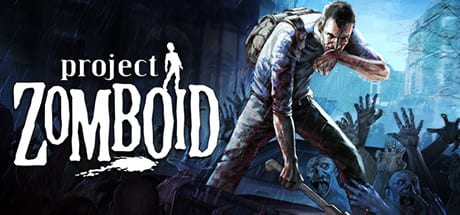
Anxiety in Project Zomboid is not a stat you check once. It is a dynamic pressure system that compounds across every bad decision, every close call, and every zombie that corners you. Build 42 revised how panic rises, how morale buffers it, and how characters with high anxiety become progressively less capable of the precise actions that survival demands. Understanding the anxiety system turns the panic spiral from a mystery into a manageable resource.
How anxiety works in Build 42
Your character has an invisible anxiety meter that rises and falls based on threat proximity, injury, exhaustion, and environmental stressors. High anxiety manifests as visible moodles: shaking hands, tunnel vision, reduced accuracy, and slower swing recovery. At extreme levels, panic triggers automatic flight responses that override your inputs.
The anxiety system connects directly to morale, which acts as a buffer. Characters with high morale can absorb more stressors before anxiety becomes debilitating. Characters with low morale crumble under the same pressure that a well-rested survivor shrugs off.
The panic spiral
Panic does not stay constant. It rises quickly in response to immediate threats and decays slowly over time when you are safe. The critical danger is the panic spiral: a panicked character makes mistakes, those mistakes bring more zombies, and more zombies push anxiety higher. Breaking the spiral requires deliberate disengagement, not more combat.
Anxiety sources
Immediate triggers:
- Zombie proximity, especially in enclosed spaces
- Taking damage from any source
- Being grabbed or pounced on
- Running or sprinting
- Witnessing another player go down
Environmental stress:
- Hunger and thirst moodles active simultaneously
- Cold or heat exposure without shelter
- Sleep deprivation stacking fatigue
- Blood and gore covering your character
- Extended time without sighting another living person (solo play)
Compound penalties:
- Being bitten or wounded while already anxious
- Fighting at night while already fatigued
- Failing to find food or water while hunger or thirst moodles show
Morale: your buffer against panic
Morale functions as a hidden multiplier on your anxiety threshold. High morale means your character tolerates more stress before panic affects performance. Morale comes from positive experiences: eating good meals, achieving goals, resting comfortably, and surviving encounters.
Morale sources
- Completing tasks and goals (clearing a building, reaching a destination)
- Eating well-prepared or satisfying meals
- Sleeping in a secure, comfortable location
- Successful combat encounters where you win cleanly
- Finding useful items or rare loot
- Social interaction in multiplayer
Morale sinks
- Death of a teammate or companion
- Repeated failures (failing to loot a building, getting caught)
- Extended hunger, thirst, or fatigue
- Witnessing traumatic events
- Wasting valuable resources
Managing panic mid-fight
When anxiety spikes during combat, several techniques can lower it without fleeing:
Environmental use: Back into a corner so zombies cannot flank. This reduces the psychological pressure of being surrounded and lowers anxiety accumulation rate.
Micro-pauses: Step away from a doorway, close a door briefly, and take two seconds to breathe. Even three seconds of no threats begins anxiety decay.
Consumable calm: Cigarettes, alcohol, and certain herbal remedies reduce anxiety temporarily. These are tools, not solutions—dependency on them creates long-term problems.
Reading and distraction: In safe moments, reading skill books or writing reduces anxiety. This mechanic rewards characters who take time to rest properly rather than pushing through exhaustion.
Long-term anxiety management
Surviving weeks or months in Project Zomboid requires keeping anxiety low as a baseline, not just treating spikes:
Base discipline: Return to a secure, prepared base every night. Characters sleeping in barricaded, clean spaces recover morale faster than those sleeping in looted closets.
Food quality: Eating cooked meals rather than raw or canned food directly improves morale. A character with a full belly and some morale buffer handles the same zombie encounter differently than a hungry one.
Activity rotation: Repetitive stress builds anxiety. Mix combat days with foraging days, base improvement days with exploration days. Monotony without progress erodes morale even without immediate threats.
Clothing and appearance: Characters aware of being blood-covered or filthy suffer morale penalties. Washing, changing clothes, and maintaining basic hygiene matters beyond infection mechanics.
Anxiety in multiplayer
Multiplayer anxiety mechanics function differently because shared experiences distribute the pressure:
Team morale: When one player maintains high morale, nearby teammates receive a small morale bonus. Conversely, a panicking player can spread anxiety to teammates through voice stress.
Voice protocol: Calming, controlled callouts reduce teammate anxiety. Shouting panic during helicopter events spreads irrational decisions. Establish calm communication as a group norm before high-pressure situations arise.
Buddy system: Never split from teammates when either player is at high anxiety. Isolated panicking players die; paired panicking players can cover each other.
Death grief: When a teammate dies, surviving players suffer morale penalties. Acknowledge this mechanically—reduce expectations and extend rest periods after losing a group member.
Mental health traits and their impact
Certain character traits fundamentally alter anxiety management:
Brave: Reduces anxiety gain rate significantly. Essential for characters intended for extended solo runs.
Desensitized: Further reduces anxiety from death and gore. Useful for characters who clear large quantities of zombies.
Clumsy: Increases anxiety from environmental mistakes. A clumsy character under pressure becomes a liability.
Smoker: Provides a panic-reduction tool at the cost of requiring cigarette supply management.
Organized: The morale bonus from achieving goals is amplified. Organized characters get more benefit from structured play.
For trait recommendations, see Traits Tier List and Occupations.
Recovery and rest mechanics
When you are not actively in danger, anxiety decays at a baseline rate. This rate is modified by:
Environment: Safe, clean, temperature-appropriate spaces accelerate recovery.Dirty, cold, or threatening environments slow it.
Rest quality: Sleeping in a bed with a pillow and no zombies nearby restores morale faster than sleeping in a chair with zombies nearby.
Consumables: Alcohol, cigarettes, and herbal remedies provide immediate but temporary reduction. They do not replace environmental recovery.
Time of day: Nighttime recovery is slower unless you are in a fully secure, lit space.
When anxiety wins
Even experienced players sometimes lose to panic. Recognizing when your character has passed the point of useful action is critical:
Red-line panic indicators: When vision narrows significantly and swing timing becomes erratic, your character is making decisions you did not approve. Disengage immediately.
Automatic flight: At maximum panic, characters will automatically flee toward the nearest exit. This can be useful if you have pre-planned an exit route but catastrophic if you run through a horde.
Graceful failure: If anxiety has compromised your ability to fight and escape routes are blocked, the best decision is often to let the character die cleanly rather than dragging out an inevitable death while breaking your equipment.
Quick reference
- Panic rises fast, decays slow—do not expect instant calm
- Corner yourself intentionally to lower anxiety accumulation rate
- Cooked meals and secure sleep restore morale
- Cigarettes and alcohol are tools, not solutions
- Brave and Desensitized traits are essential for solo play
- Team morale spreads in multiplayer—stay calm for your buddies
- Wash blood-covered clothes; hygiene affects morale
- Monotony erodes morale even without immediate threats
Survival in Knox County is half mechanical preparation and half psychological management. The survivor who keeps their head under pressure outlives the one who only knows the optimal build.
Frequently Asked Questions
Quick answers to the most common questions.
How do I reduce panic quickly during combat?
Back into a corner to prevent flanking, take micro-pauses behind closed doors, and use consumables like cigarettes. Complete panic reduction requires safe time in a clean, secure environment—not faster than a few seconds per spike.
Does morale affect combat effectiveness?
Indirectly. High morale buffers anxiety so you stay effective longer under pressure. Low morale means panic affects you faster. Morale does not directly modify damage or swing speed.
What is the best trait for anxiety management?
Brave is the most universally useful for reducing panic gain. Desensitized helps for gore-heavy clearing. For solo play, combination of Brave, Organized, and one positive social trait handles most anxiety scenarios.
Does clothing affect anxiety?
Yes. Blood-covered or filthy clothing imposes morale penalties that compound anxiety over time. Wash or change clothes regularly, especially after large zombie clears.
How does multiplayer change anxiety?
Team morale spreads to nearby players. Calm communication reduces teammate panic. The death of a teammate imposes morale penalties on survivors. Stay paired when either player is anxious.
Can anxiety kill me directly?
Not directly, but panic causes mistakes that kill. Automatic flight can run you through a horde. Erratic swings waste durability and create openings. Managing anxiety prevents the cascading failures that lead to death.