Project Zomboid Clothing and Weather Guide
Layers, wetness, and seasonal gear for long Knox County saves
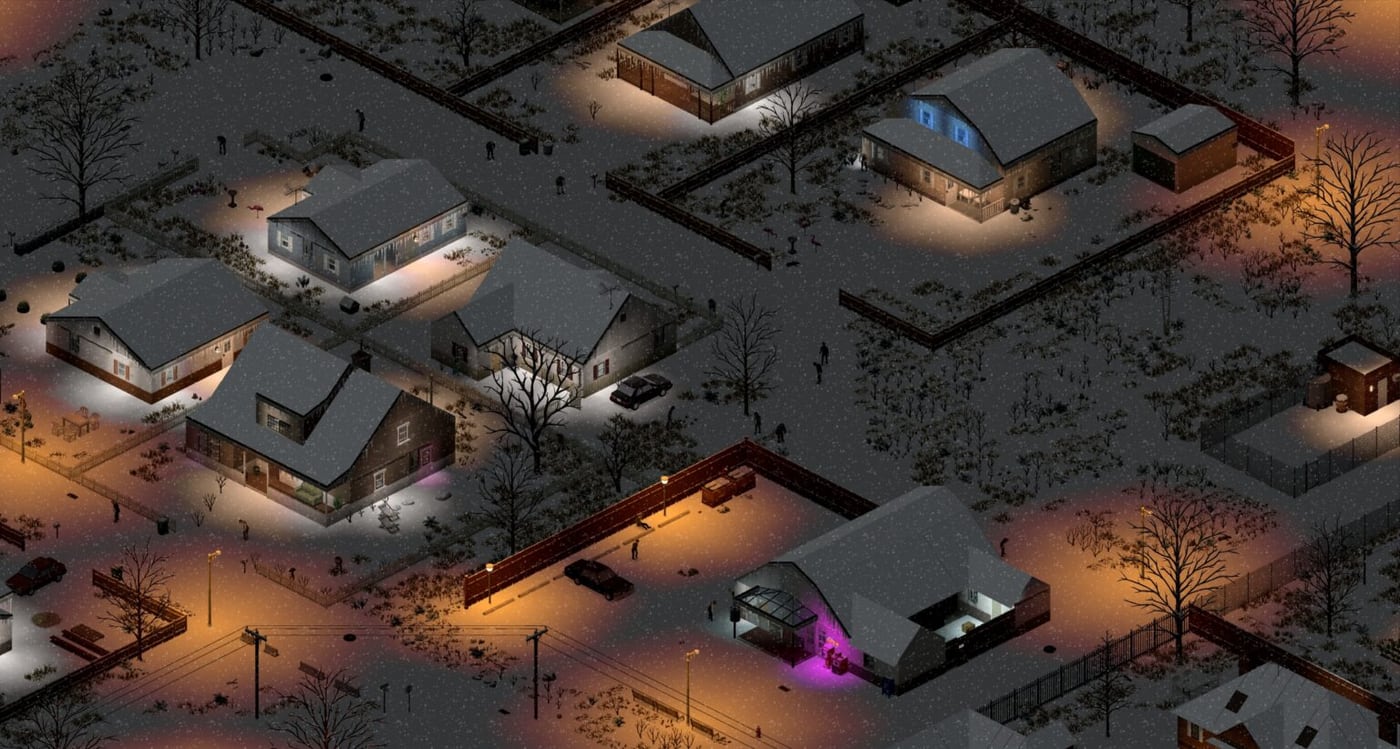
Clothing in Project Zomboid is passive armor against weather, infection routes, and mood collapse. Build 42 Early Access makes insulation, wetness, and discomfort tangible: the wrong layer in July causes heatstroke; soaked jeans in January drain body heat faster than any zombie scratch. This guide covers layering logic, winter padded gear, summer tradeoffs, bite and scratch protection, and why a dry spare set at base belongs on every first week checklist.
Pair wardrobe planning with medical first aid, safehouse storage, early loot priorities, and outdoor work from farming and animals.
Insulation layers-how Build 42 reads your outfit
The game evaluates total insulation and wind resistance across torso, legs, feet, hands, and head slots. Multiple thin layers often beat one heavy piece because each slot contributes separately. Prioritize:
- Base layer - underwear, t-shirt, socks; minimal insulation but low discomfort indoors.
- Mid layer - sweatshirt, flannel, light jacket for spring and fall transitions.
- Shell layer - rain coat or windbreaker to block wetness and wind first.
- Extremities - scarves, earmuffs, gloves, and hats lose heat fastest; never skip them in winter loot runs.
Check the insulation panel in character stats after equipping. Numbers beat fashion.
Wet clothes and hypothermia risk
Wet clothing destroys insulation. Rain, blood, and sweat soak fabrics; wetness moodles stack with cold and increase illness risk. After combat in rain, treat soaked outfits as urgent-not cosmetic.
Mitigation habits:
- Carry dry bag or garbage bag to protect a spare set while looting.
- Remove outer wet layers before entering heated indoor tiles when possible.
- Dry clothes near heat sources-running generators, antique ovens, campfires in ventilated rooms.
- Avoid fighting long outdoor battles in cotton-only outfits once winter approaches.
Hypothermia kills quietly during loot returns when players sprint home without checking wet moodles.
Winter gear: padded pants, scarves, earmuffs
Knox County winter punishes legs and ears first. Target loot:
- Padded pants or insulated trousers - leg insulation for farm chores and wood runs.
- Scarves and neck wraps - cheap wind protection from residential closets.
- Earmuffs and wool hats - head slots lose disproportionate heat.
- Insulated gloves - preserve dexterity for weapon grip and vehicle doors.
- Waterproof shell - snow is wet; padded insulation fails when soaked.
Store winter sets in labeled crates at safehouse entrances-swap before outdoor jobs instead of wearing summer hoodies “because zombies are slow in snow.”
Summer heatstroke versus firefighter gear
Heavy firefighter turnout gear offers outstanding scratch and bite resistance but traps heat in summer. Treat it as siege armor, not daily wear. July farming and farming and animals pen work in turnout gear invites hyperthermia and faster thirst.
Summer loadout goals:
- Light cotton or athletic wear with decent bite reduction where available.
- Hat with sun protection; carry water bottles from early loot routes.
- Swap to heavy armor only for deliberate clear operations with retreat plan.
Seasonal locker at base beats one outfit for all months.
Scratch and bite protection
Clothing reduces scratch and bite odds on covered body zones. Leather jackets, denim, and specialized uniforms beat t-shirts. Combine with combat spacing from combat basics - armor helps RNG; shove discipline wins fights.
Hands and neck remain vulnerable. Long gloves and scarves close common infection paths during pile-ups. Inspect condition - torn clothing loses protection; keep needle and thread from loot runs for field repairs.
Firefighter and police gear is strong but heavy; military items vary by spawn. Test protection versus run speed before committing to long highway walks on the map hub routes.
Discomfort moodle and morale
Discomfort rises from dirty, bloody, wet, or ill-fitting clothing stacks. High discomfort feeds unhappiness and reduces rest quality. Laundry sinks, soap, and occasional wardrobe rotation matter on month-long saves.
Indoor base days are perfect for washing, drying, and mending. Do not ignore discomfort because “stats look fine”-moodle cascades into combat mistakes.
Dry spare set at base-non-negotiable
Maintain at minimum:
- One full dry civilian outfit per survivor in a bedroom crate.
- One wet-weather shell near the door for emergency exits.
- Seasonal bin labeled winter/summer swapped on calendar weeks.
After every bloody or rainy return, strip, store contaminated clothes for cleaning, and equip spares before eating or sleeping. Infection treatment from medical first aid is harder than preventing avoidable wet-cold stacks.
Co-op bases: personal footlockers prevent teammates from borrowing your only dry pants.
Loot priorities by season
Spring/fall: layer flexibility-rain gear plus light insulation.
Summer: water, light bite-resistant tops, sun hats.
Winter: padded legs, earmuffs, gloves, spare socks in bulk.
Residential closets and clothing stores on loot routes beat zombie drops. Laundromats yield soap and sometimes intact heavy coats.
Farming, animals, and outdoor chores
Farm work cycles you through heat and cold repeatedly. Keep chore-specific sets near pens and fields-same philosophy as generator fuel logs. Animal blood splatter raises discomfort; change before returning to kitchen or medical areas.
Multiplayer wardrobe coordination
Share gear type callouts, not exact skins: “need insulated legs medium” beats silent crate rummaging. Pool spare winter extremities communally but keep personal dry core sets.
Mistakes to avoid
- Wearing firefighter gear for daily summer looting.
- Ignoring wet moodles after rain fights.
- One outfit for all seasons.
- No spare set at base “because laundry exists later.”
- Chasing bite armor without checking insulation in winter.
Early Access note
Clothing stats, wetness penalties, and heat formulas continue tuning in Build 42. After patches, re-check insulation numbers on your main winter set before long outdoor trips.
Frequently Asked Questions
Quick answers to the most common questions.
Why do wet clothes matter so much in Build 42?
Wetness slashes insulation and stacks with cold moodles, increasing hypothermia and illness risk. Swap to dry gear at base or dry clothes near heat before long outdoor trips.
What winter clothing should I prioritize?
Padded pants, scarves, earmuffs, insulated gloves, and a waterproof shell. Extremities lose heat fastest-stock spares in your safehouse.
Is firefighter gear good for everyday wear?
Strong bite and scratch protection, but heavy heat retention causes hyperthermia in summer. Use it for deliberate clears, not daily farming or loot runs.
How does clothing reduce bites and scratches?
Covered zones roll protection based on item type and condition. Layer tough fabrics-leather, denim, uniforms-and repair tears with needle and thread.
How many spare outfits should I keep at base?
At least one full dry set per survivor plus a seasonal winter bin. Swap after bloody or rainy returns before resting-see early loot priorities for bag and storage tips.