Project Zomboid Winter Survival in Build 42
Layer insulation, keep a dry spare set, and treat hypothermia as a stop-the-run moodle.
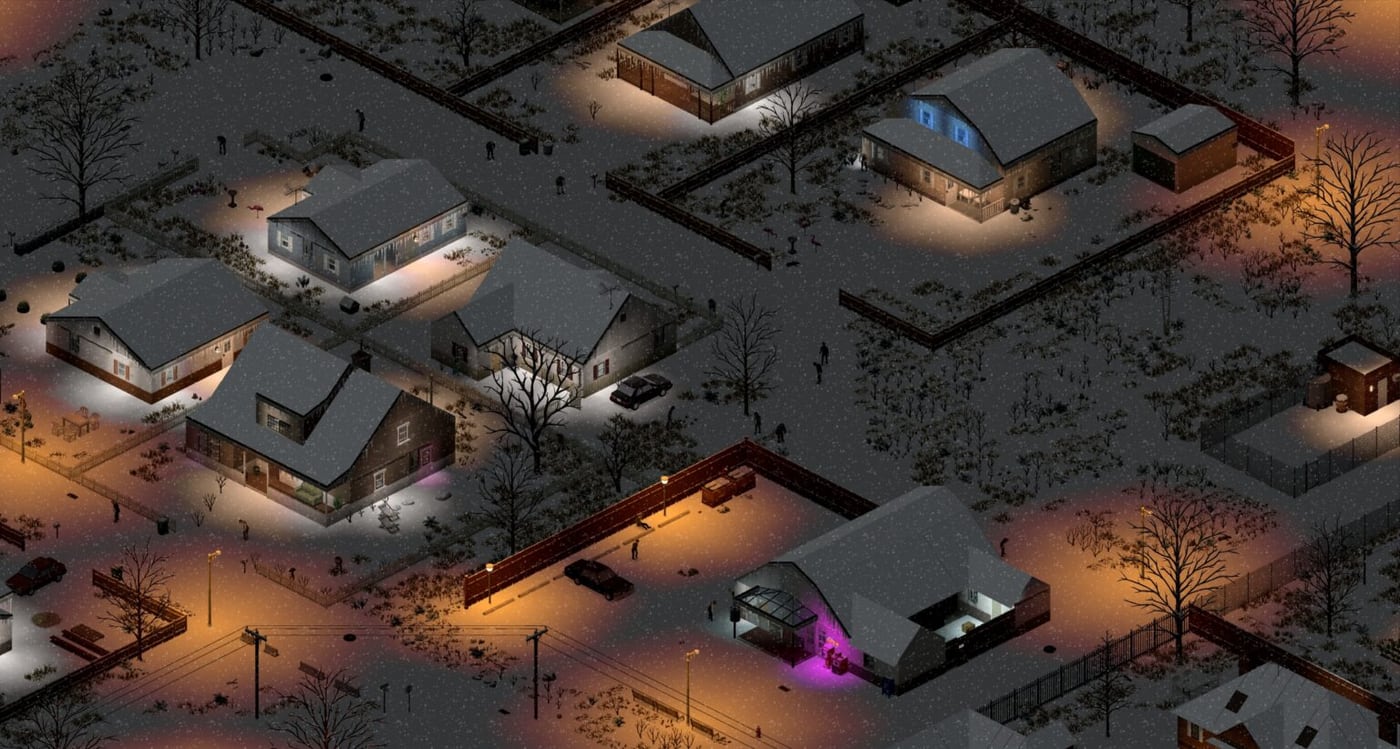
Winter in Knox County is not a palette swap. Temperature, wind, wet clothes, calorie burn, crop seasons, and indoor heat all stack. Players who loot in a t-shirt until November then die of hypothermia on a five-minute walk are not unlucky—they skipped logistics. This Build 42 guide covers clothing layers, hypothermia recovery, heat sources that will not burn the safehouse, food that outlives the fridge, and how snow changes loot routes. Pair it with Clothing and Weather for item stats and Food Preservation for the pantry.
Early Access still tunes numbers. Treat insulation values and crop calendars as living data after each 42.20.x hotfix. The habits below stay true even when a patch nudges a moodle threshold.
What winter actually taxes
Heat loss comes from air temperature, wind chill, rain or snow on fabric, and your own wetness. Hunger and fatigue make cold worse. Hypothermia starts as discomfort, stops natural healing, raises cold risk, then slows walk and combat, then damages health. The embedded video is a short moodle decoder—use it, then come back for base planning.
Calories go up when you shiver and when you walk through snow. Thin soup from summer foraging will not cover January axes. Stock fats, canned meals, and preserved meat from Hunting before the first hard freeze.
Crops follow seasons. Outdoor cabbage in January is a wasted seed packet. Potatoes and stored grain beat a garden you refuse to abandon. See Farming and Animals—livestock still need roofed shelter and unfrozen water, not a decorative fence in a blizzard.
Clothing: insulation, wind, and a dry spare
Open the clothing insulation panel and build coverage on head, torso, hands, and feet. Layer long johns, sweater, jacket, scarf, hat, and padded pants when you can. Military surplus and bargain clothing stores beat random dresser loot for winter hats and padded gear. Wind resistance matters on open highways; waterproof or quickly swappable layers matter in snow.
Wet is the trap. Soaked clothes dump insulation. Keep a full dry set at base. If you get Wet outdoors, cancel the extra house, get inside, swap, and wait. Do not “finish the block” in jeans that are already dripping. Moodles will tell you the rest if you hover instead of ignoring blue icons.
Carry a spare pair of socks and gloves in a bag on long walks. They weigh less than a funeral.
Heat without burning the house
Indoor campfires are how bases die. Use a fireplace, wood stove, or antique oven where the tile allows, with an extinguisher or water bucket in the same room. Stock wood in autumn while trees are still easy to reach. Vehicle heaters work after the engine is actually running and warm—do not sit in a freezing sedan with a dead battery hoping for magic. That loop lives in Vehicles.
Generators keep freezers and a few lamps alive after shutoff. Fuel is winter gold. Do not waste it lighting an empty warehouse you loot once.
Food and water before the snow sticks
While power lasts, freeze meat and cooked surplus. Then run drying racks, jars, and cooking that turns harvests into shelf-stable meals. Rain collectors still fill in winter but slower; indoor bottled water is the real buffer. Boil questionable water. A cold that makes you sneeze is a noise event—treat recovery as multi-day, not a vitamin click.
Plan Fishing and foraging around weather windows. Ice and wind punish long Search Mode sessions. Hunt closer to base when tracks vanish under snow.
Movement and combat in the cold
Hypothermic characters miss swings and crawl. Do not pick a three-zombie fight in a parking lot while freezing. Warm up first. Night plus snow plus Build 42 lighting is how veterans walk into walkers they would have seen in July—Lighting is not optional.
Cars help between towns and kill you if you crash into a drift of corpses. Walk tree lines when the engine would announce a quiet farm.
Base checklist for November
- Two insulated outfits plus one dry spare set.
- Indoor heat source that is not a carpet campfire.
- Wood pile and a backup heat plan if the stove room is breached.
- Calorie stores that do not depend on a single freezer.
- Animal shelter with roof and troughs inside the farm fence.
- A short loot loop that does not require Louisville.
Co-op groups should assign a wood runner and a cook. Everyone looting West Point while the stove sits cold is how shared seasons end in silence.
Common mistakes
- Treating winter as a clothing skin instead of a logistics season.
- Planting summer crops because the dirt is still visible.
- Running generators 24/7 for lights you do not use.
- Ignoring Wet until the hypothermia icon is dark.
- Starting Challenge winter scenarios without a spare coat.
Winter rewards the same discipline as week one, stretched across months. Prepare in autumn, read the temperature moodles, and come back to First Week habits when the snow makes every extra block expensive.
Frequently Asked Questions
Quick answers to the most common questions.
How do I stop hypothermia in Project Zomboid?
Get indoors, swap to dry insulated clothes, and use a fireplace, wood stove, or a running car heater. Do not keep looting while the hypothermia moodle is climbing.
Do wet clothes matter in winter?
Yes. Wet fabric dumps insulation faster than almost any other mistake. Keep a dry spare set at your safehouse and change immediately.
Can I farm outdoors all winter in Build 42?
Not for most crops. Seasons gate planting. Store harvests and use farming plans that match cold-hardy crops or indoor setups.
Is a car heater enough for winter?
It helps while the engine runs and is warm. It will not save a dead battery or a soaked outfit when you step out. See Vehicles.
Where do I find winter clothing?
Clothing stores, warehouses, and residential wardrobes. Compare Insulation and Wind Resistance in the clothing panel—Clothing and Weather lists layer logic.