Project Zomboid Loot Routes for Knox County
Structured scavenging loops that beat random house clearing
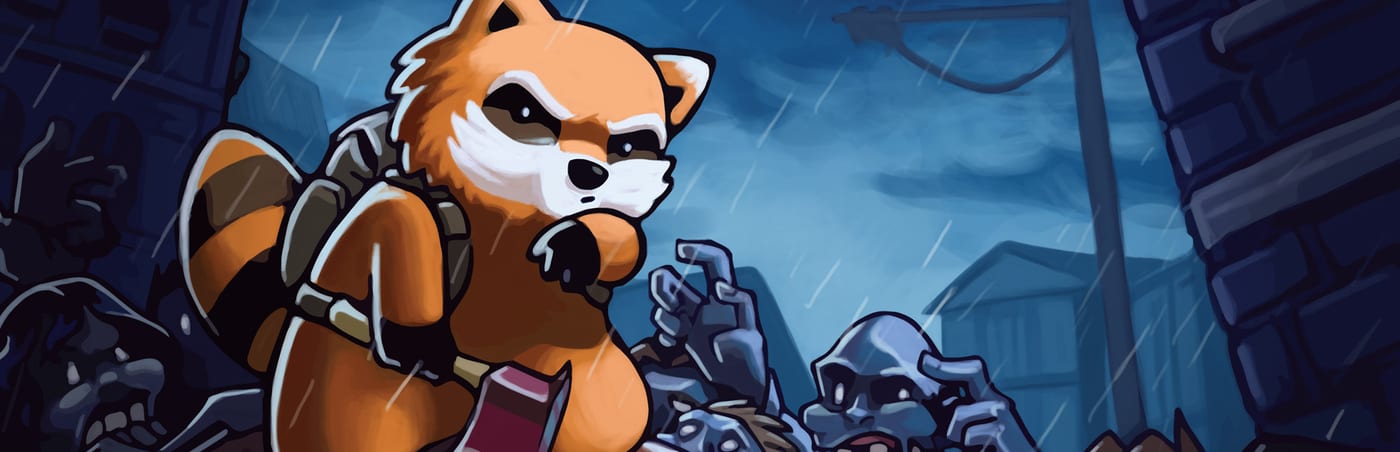
Random looting is how Project Zomboid characters die bored, overweight, or surrounded. Build 42 Early Access adds more crafting inputs-animal feed, tools, electrical parts-so each trip needs a purpose. Loot routes are repeatable paths that hit high-value building types in order, respect daylight and noise, and return you to base before inventory, stamina, or luck runs out. This page lists practical routes by game phase and ties them to the towns you already know from Knox County towns.
Route planning principles
Every good route answers four questions before you leave the driveway:
- What am I missing? Weapons, nails, suture needles, and gas are different trips-do not mix goals until you can carry more.
- How do I enter and exit? Always identify two paths out; one blocked alley should not end the run.
- What noise am I making? Gunshots and car engines relocate zombies for days. Silent entries preserve routes for reuse.
- When must I be home? Rain, injury, and night visibility turn long loops into death marches.
Cross-check route timing with first week priorities and early loot priorities. If your route depends on grid power for fridges, read water and power shutoff first.
Early-game residential loop (days 1-7)
Region: Muldraugh or Rosewood suburbs.
Targets: nearest untouched residential strip, then a corner store or diner.
Order:
- Outer houses with visible low fence lines-kitchens for food, pans, and bags.
- Garage sheds for hammers, nails, and gardening tools.
- One commercial food spot for non-perishable backup.
- Return before exploring the next parallel street.
Why it works: suburban zombies thin quickly when you pull small groups instead of street-wide fights. You build foraging and cooking skills without entering police stations or gun stores.
Avoid looting every closet. Mark cleared houses mentally and push inward only when you have bandages and a weapon with reliable knockdown. Pair this loop with starting locations advice if you spawned far from suburbs.
Hardware and construction run (days 5-14)
Region: town edge near lumber yards, construction sites, or large hardware stores.
Targets: nails, saws, planks, sheet metal, screws, and tool boxes.
Order:
- Perimeter check for roaming groups-clear stragglers before entering parking lots.
- Warehouse or hardware floor for bulk materials.
- Adjacent office or break room for snacks and sheet paper (skill books sometimes spawn nearby).
- Direct exit via rear service road if front parking is noisy.
Stock from this run feeds carpentry leveling and safehouse fortification. Carry a vehicle once weight exceeds sensible walking limits; learn basic repair in vehicles and mechanics before relying on trucks for hauls.
Medical and pharmacy chain (days 7-21)
Region: Rosewood clinic areas, Riverside medical offices, or Muldraugh pharmacy blocks.
Targets: bandages, disinfectant, painkillers, suture needles, antibiotics when available.
Order:
- Small clinic or dentist office-lower zombie counts than hospital wings.
- Pharmacy front (glass attracts attention-go early morning in-game if possible).
- Residential bathrooms nearby for additional bandage spawns.
- Abort if screamers appear; hospitals can wait until mid-game.
Medical routes save characters with slow-healing traits or laceration-prone combat styles. Store results near your future generator room only after you have secure storage-meds are worthless if zombies walk through an open door.
Vehicle and fuel circuit (mid-game)
Region: highway gas stations linking Muldraugh, Rosewood, and Riverside.
Targets: gasoline, vehicle parts, tires, jacks, and working cars.
Order:
- Quiet gas station pump check with empty inventory slots for jerry cans.
- Adjacent auto shop for tools and parts.
- Test-drive candidate vehicles on open road-not in town center.
- Return along back roads to avoid leading zombies to base.
Never idling engines at home. Park one tile off main noise lanes when possible. This circuit supports longer loot routes later, including Louisville outskirts.
Rural farm and animal supply run (Build 42)
Region: farmland between Ekron, southern Muldraugh roads, and Rosewood outskirts.
Targets: seeds, farming tools, feed sacks, fencing materials, and later live animals.
Order:
- Barn or silo exterior scout.
- Tool shed and kitchen in farmhouse-watch for indoor one-tile surprises.
- Fields for contextual foraging while seasons allow.
- Return with feed before inventory spoils timing windows for pens.
Connect this route to farming and animals before you adopt chickens or livestock. Farms are quieter than towns but far from medical help-carry a first aid kit.
Louisville expedition route (late Early Access)
Region: Louisville outskirts or single defined district-never whole-city clears.
Targets: rare tools, bulk medical, high-tier weapons (disciplined players only), specialty stores.
Order:
- Park vehicle at mapped exit outside dense blocks.
- Enter one commercial strip or warehouse district with a hard time limit.
- Loot upper floors only if stairs are cleared and you have rope or safe descent.
- Leave when inventory is 80% full-greed kills more than zombies.
Louisville routes assume prior success on smaller-town chains. Read towns overview Louisville section and ensure your group has co-op rally points online.
Reusing and rotating routes
Zombies repopulate slowly in some areas and migrate after meta events. Rotate between three suburban loops instead of draining one street daily. After helicopter or gunfire events, skip affected neighborhoods for several in-game days.
When a route “feels dead,” switch building types-medical instead of hardware-to match skill gaps tracked in skills and XP.
Route mistakes to avoid
- Kitchen sink looting: carrying every pan slows escapes.
- Front-door only entries: alternate sides of buildings.
- Night extensions: visibility kills more than extra containers help.
- Unplanned Louisville detours: one wrong turn erases a week of progress.
- Ignoring weight and weather: rain ruins mood and visibility; overweight slows combat.
Tie routes to your build
Combat-heavy beginner builds can tolerate shorter, denser loops. Stealth professions stretch daylight across more houses. Crafting professions should prioritize hardware and book routes early. Adjust every path using the character planner so trait weaknesses are covered before you need them.
Early Access note
Loot distribution and building layouts evolve while Project Zomboid remains in Early Access. Validate each route in your current Build 42 version after patches; a pharmacy that was quiet in one build may spawn hotter crowds in the next.
Frequently Asked Questions
Quick answers to the most common questions.
What is the best early loot route in Build 42?
Suburban kitchen and shed loops in Muldraugh or Rosewood beat downtown raids. Chain outer houses, one diner, and return-see starting locations for spawn-specific tweaks.
When should I run a medical route?
After you have a weapon and bandages from residential loot-usually around days 7-4. Start at small clinics before full hospitals to keep zombie counts manageable.
How do loot routes change after power shutoff?
Refrigerated food stops replenishing in stores; shift toward farming, trapping, and preserved goods. Plan water storage before shutoff via water and power shutoff.
Is driving between route stops worth it?
Vehicles save time on rural and highway legs once you have fuel and basic repairs. Avoid engine noise near base; park off main streets and finish on foot.
Can I share routes with friends online?
Yes-assign building types per player (medical vs hardware) to avoid duplicate looting and reduce noise stacking in the same block.