Project Zomboid Weapons Guide
Melee and firearms for Build 42 survival without attracting every horde in Knox County.
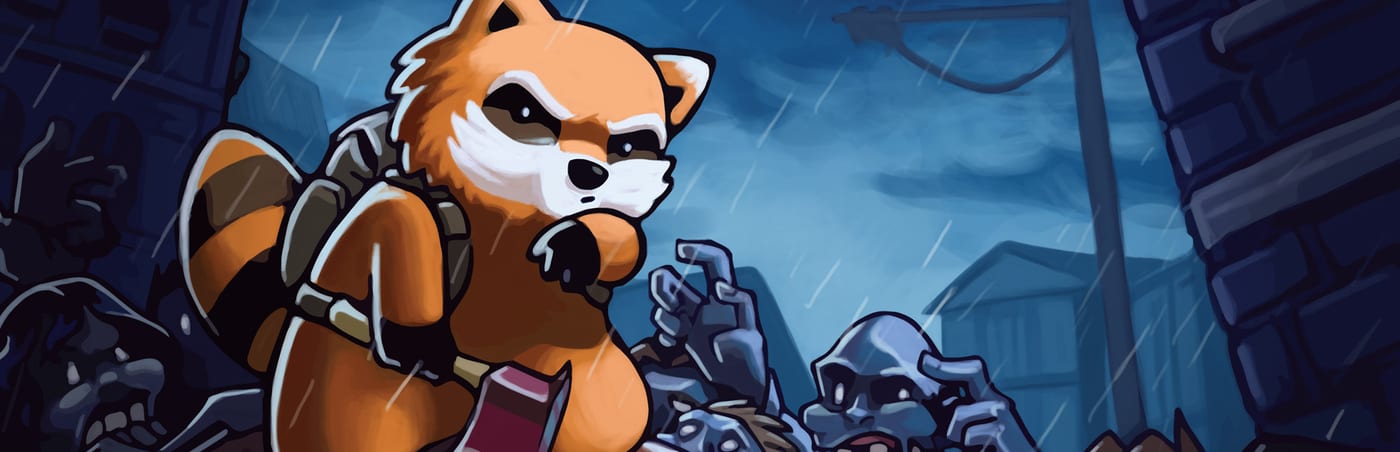
Weapons in Project Zomboid solve problems and create louder ones. A fire axe clears a doorway fast but drains endurance and damages blades on every swing. A pistol ends threats at range but converts a skirmish into a county-wide dinner bell. Build 42 adjusted weapon durability curves and some spawn locations, so the bat you trusted in Build 41 may chip faster-or spawn less often-in residential garages.
This guide ranks practical weapon choices for Early Access survivors who still need food, water, and sleep more than they need peak DPS. It covers melee progression, firearm readiness gates, maintenance tools, and co-op loadout splits for online multiplayer.
Melee fundamentals still win early game
Until you have bandage stockpiles and escape routes, melee is the default. Prioritize weapons with reach, knockback, and repairability:
- Long blunt (baseball bat, crowbar): forgiving reach, common spawns, easy early kills with shove-stomp follow-ups.
- Short blunt (hammer, pipe): backup weapons when primary breaks mid-run.
- Axes (hand axe, fire axe): high damage but higher endurance cost; best when fitness is rising from Skills training.
- Spears (carved in Build 42): cheap reach weapons you fire-harden and bind; fragile until Maintenance grows.
Learn spacing in Combat Basics before upgrading weapons. A bat in skilled hands outperforms a machete wielded in panic.
Weapon condition and maintenance
Build 42 makes condition visible on every swing. Carry duct tape, glue, and spare low-tier weapons for field repairs. Maintenance skill reduces degradation-train on junk weapons at base before risking your primary on a warehouse clear.
Sharpening kits and grinding stones appear in hardware stores; schedule loot routes on the Map hub to include one hardware stop per town rotation.
When firearms become worth the noise
Transition to guns only after:
- Seven-plus days of food and water buffered.
- A safe house with multiple exit paths and barricades.
- At least two boxes of bandages and disinfectant.
- Training in aiming skill or occupation bonuses from Beginner Builds.
Shotguns excel at close indoor defense with multiple pellet hits. Pistols are portable sidearms for finishing stragglers-not primary horde tools. Rifles suit open-field kiting with high aiming skill; they overpenetrate indoors and waste ammo on single targets.
Every gunshot increases noise attraction. Helicopter events and rainy nights already stress mobility-do not stack gunfire unless teammates cover exits.
For caliber tables, magazine compatibility, attachment notes, and Build 42 firearm maintenance detail beyond this overview, see the dedicated Firearms Guide. That page assumes you already read the melee sections above.
Ammo, magazines, and reloading under pressure
Loot ammo types matching your weapons; mixed calibers clutter inventory. Store bulk ammo in labeled crates at base; carry one partial box during raids. Speed loaders and magazine compatibility matter for pistols-right-click magazines to load individually if you lack autoload perks.
In co-op, designate a quartermaster who caches ammo away from food prep areas. Firearms accidents near gas cans end campaigns.
Improvised and secondary tools
Kitchen knives, scissors, and screwdrivers function as last-resort stabs with low durability. Keep one on belt for window breaking and sheet rope escapes. These are tools first, weapons second-see Early Loot Priorities for when to prioritize them.
Loadouts by playstyle
Solo generalist: one long blunt primary, short blunt backup, optional silenced .22 for desperate headshots only.
Co-op point: spear or axe user holds doorways while partner transfers loot.
Co-op scout: pistol plus extra magazines for clearing stairwells before the group enters.
Align traits from Traits Tier List-Strong and Brave help melee; Desensitized aids gunplay but costs points.
Noise discipline and events
Firing during Helicopter Event windows compounds horde movement. Melee clears during aerial passes unless absolutely necessary. Car alarms, sirens, and smashed windows also attract-weapons are not the only noise source.
Build 42 weapon meta shifts
Early Access patches tweak durability and spawn weights. Fire axes may require more hardware store visits; police stations remain high-risk high-reward for firearms. After updates, run a low-population test character to verify your favorite routes before committing a long co-op save.
Pair weapons with base defense
Weapons fail when doorways do. Combine armaments with barricades, escape ropes, and outdoor fence lines from Base Building. A layered defense lets you choose melee when noise must stay low.
Recommended progression path
- Starter bat or crowbar from Early Loot Priorities
- Training in shove-stomp until day five
- Hand axe or spiked bat upgrade with maintenance kit
- Firearm introduction only after utilities and medical stockpiles stabilize
- Spear crafting for long-term melee scaling with carpentry investment
Frequently Asked Questions
Quick answers to the most common questions.
What is the best starter weapon in Build 42?
Baseball bat or crowbar for reach and availability. Condition matters more than name-replace chipped primaries early.
When should I start using guns?
After food, water, medical supplies, and barricades are stable-usually past the first week. Until then, melee keeps noise down.
Do silencers exist in Project Zomboid?
Improvised suppressors are limited and still attract nearby zombies. Treat guns as loud tools even with attachments.
How do I repair weapons in Build 42?
Use duct tape, glue, and maintenance skill at a safe bench. Carry a backup weapon on long loot runs.
What weapons should co-op partners carry?
Complement each other-door holder with long blunt or spear, scout with pistol backup. Share ammo caches at base, not in every backpack.