Weather Systems in Project Zomboid
Rain, fog, snow, wind chill, and how to read forecasts before you walk into a storm.
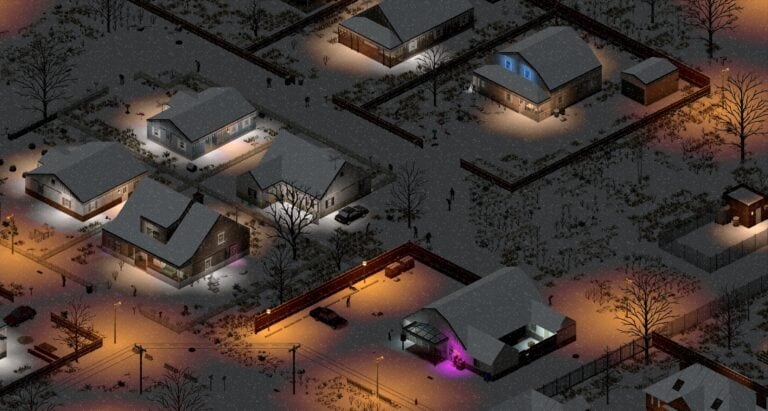
Weather in Project Zomboid is not cosmetic. Rain soaks your clothes and fills rain collectors with tainted water. Fog cuts visibility and makes zombie encounters a blind gamble. Snow raises calorie burn, blocks outdoor farming, and turns every five-minute walk into a logistics decision. Temperature and wind chill determine when layers stop being optional and start being survival gear. This guide covers how weather forms, how to read forecasts, and what each condition actually costs your character.
Pair this page with Winter Survival for the full cold-season picture, with Clothing and Weather for insulation layering, and with Rain Collectors and Wells for the water-side of precipitation.
Weather types and what they actually do
Rain is the most common weather pattern. Drops fall from the sky and-soak clothes over time. Open ground without shelter means wet moodles stack within minutes. Rain also fills outdoor rain collectors at a steady rate, giving you tainted water that needs boiling or purification tablets before drinking. Light rain and heavy rain behave the same for wetness; duration matters more than intensity.
Fog reduces visible range around your character. This is not a minor immersion detail—it fundamentally changes how far you can spot zombies, loot buildings, or see what’s waiting around a corner. Fog combined with nighttime or indoor darkness is when veteran players still walk into clusters they would have spotted in clear weather. Plan accordingly.
Snow is uncommon and arrives when in-game temperature drops below freezing. All rain turns to snow at that threshold, which means outdoor rain collectors stop filling. Snow boosts calorie consumption when walking and makes rural roads harder to navigate. Farming stops outdoors; outdoor survival becomes a short-trip discipline.
Thunderstorms are harsh weather events that AEBS announces in advance. They carry the same visibility and wetness risks as regular rain but amplified. In multiplayer, the noise from thunder can mask zombie approach sounds slightly—a double-edged opportunistic detail.
Temperature and wind chill
The game tracks air temperature across the map. Wind chill makes cold feel significantly worse, especially on open highways and rural tiles. The combination of low temperature, high wind, and wet clothing is the fastest path to hypothermia outside of a blizzard.
Build 42 estimates effective temperature using air temp plus wind factor. A 5°C day with wind feels closer to freezing. A soaked character in that same scenario can start taking cold moodles faster than expected. The Winter Survival guide covers the full hypothermia progression—this page focuses on prediction and prevention.
Indoor tiles generally register as warmer, which is why moving inside during a cold rain matters even without a fireplace running.
Reading weather forecasts
AEBS on the radio broadcasts a two-day forecast as part of its hourly report. The format is: min/max temperature, humidity percentage, wind level, fog chance, rain probability, and snow if the sandbox season supports it. The forecast in-game day starts around 1 AM, so a morning loot run checks tomorrow’s window before committing to a long trip.
The broadcast also announces harsh weather warnings—thunderstorms, tropical storms, and blizzards—days in advance when the sandbox settings allow them. This is the earliest warning system for major weather events.
Television carries a weather segment on news and entertainment channels. The format differs slightly from radio but covers the same data points. TV requires a powered set or a generator-connected television in your safehouse.
Check both sources before major expeditions. A day that looks clear at 6 AM might carry afternoon rain the forecast flagged at 1 AM.
Rain collectors and water in precipitation
Rain collectors catch precipitation automatically when placed outdoors under open sky. Water collected this way is always tainted—it requires boiling or water purification tablets before your character can safely drink it. This is not optional. Tainted water causes illness and compounds other moodles.
Large barrels from woodworking hold more water but take longer to fill. Small collectors fill faster but deplete quickly. During winter, when temperatures drop below freezing, outdoor collectors may not fill at all because rain converts to snow.
Wells provide a more reliable water source in the long term. They are not affected by weather events the same way collectors are. See Rain Collectors and Wells for placement mechanics and plumbing options.
Movement and visibility in bad weather
Fog and nighttime compound each other. A foggy evening reduces sight range to a few tiles in some directions. Zombie hearing still works; you will hear them before you see them if they are close. Use audio cues and move slowly through ambiguous tiles.
Rain makes noise that zombies can hear. Extended rain can mask some player movement sounds but not all. Quiet approach tactics still matter.
Snow is slower movement. Characters burn more calories walking through snow tiles. Plan supply runs to be shorter and closer to base during winter.
Clothing response to weather
Your outfit determines how fast wet moodles stack. A raincoat or waterproof shell dramatically slows clothing wetness during rain. Without one, cotton and denim absorb water faster. Layering logic from Clothing and Weather applies here: a dry spare set at base is the only real solution to being caught soaked far from home.
Insulation value determines how well your clothing retains warmth when temperature drops. Thin summer outfits lose heat fast in cold rain. Winter clothing with padded layers handles both wetness and cold, but wet winter gear still fails insulation until dried.
Seasonal weather patterns
The sandbox settings control season length and temperature ranges. Summer runs feature heat and occasional rain. Autumn brings temperature swings and fog frequency increases. Winter introduces freezing conditions, snow, and shortened daylight windows for farming.
Most servers run full seasonal cycles. Building weather awareness into your routine is not optional—it is how you avoid dying to conditions you could have predicted.
Weather and multiplayer considerations
Public servers with large player bases often have louder environments that mask weather audio cues. Private co-op groups should note that thunder noise can both help and hurt situational awareness. Voice chat discipline matters when weather events create ambiguity.
Bases in open rural areas take full wind exposure. Forest tiles provide natural wind breaks. Base location selection from Best Base Locations should factor weather exposure, especially if your group plans winter seasons.
Common mistakes
- Assuming clear morning means clear afternoon.
- Walking into fog without checking the forecast first.
- Letting rain collectors freeze in winter without an indoor water storage backup.
- Wearing summer clothing into cold rain because the temperature display looks acceptable.
- Ignoring wet moodles until hypothermia starts.
- Building a base in an exposed location without wind breaks.
Weather is predictable in Project Zomboid. The tools exist. Using them before every expedition is the habit that separates survivors who make it past week two from those who attribute it to bad luck.
Frequently Asked Questions
Quick answers to the most common questions.
What weather types exist in Project Zomboid?
Rain, fog, and snow are the main types. Thunderstorms are harsh weather events that AEBS announces in advance. Each affects visibility, clothing wetness, and movement differently.
How do I check the weather forecast?
Listen to AEBS on the radio or watch television weather reports. AEBS broadcasts a two-day forecast hourly. The in-game forecast day starts around 1 AM.
Does rain affect rain collectors?
Yes. Rain collectors catch precipitation and store it as tainted water. You must boil water or use purification tablets before drinking. In winter, when temperature drops below freezing, collectors may stop filling because rain turns to snow.
How does fog affect gameplay?
Fog reduces your visible range significantly. Combined with nighttime or indoors, it makes zombie encounters harder to anticipate. Check forecasts and plan shorter routes during foggy periods.
What is wind chill in Project Zomboid?
Wind chill makes cold temperature feel significantly worse. A 5°C day with wind can feel near-freezing and accelerates hypothermia risk when combined with wet clothing. See Winter Survival for the full mechanics.