Project Zomboid Cooking Skill Guide
Recipes, morale meals, and winter calories in Build 42
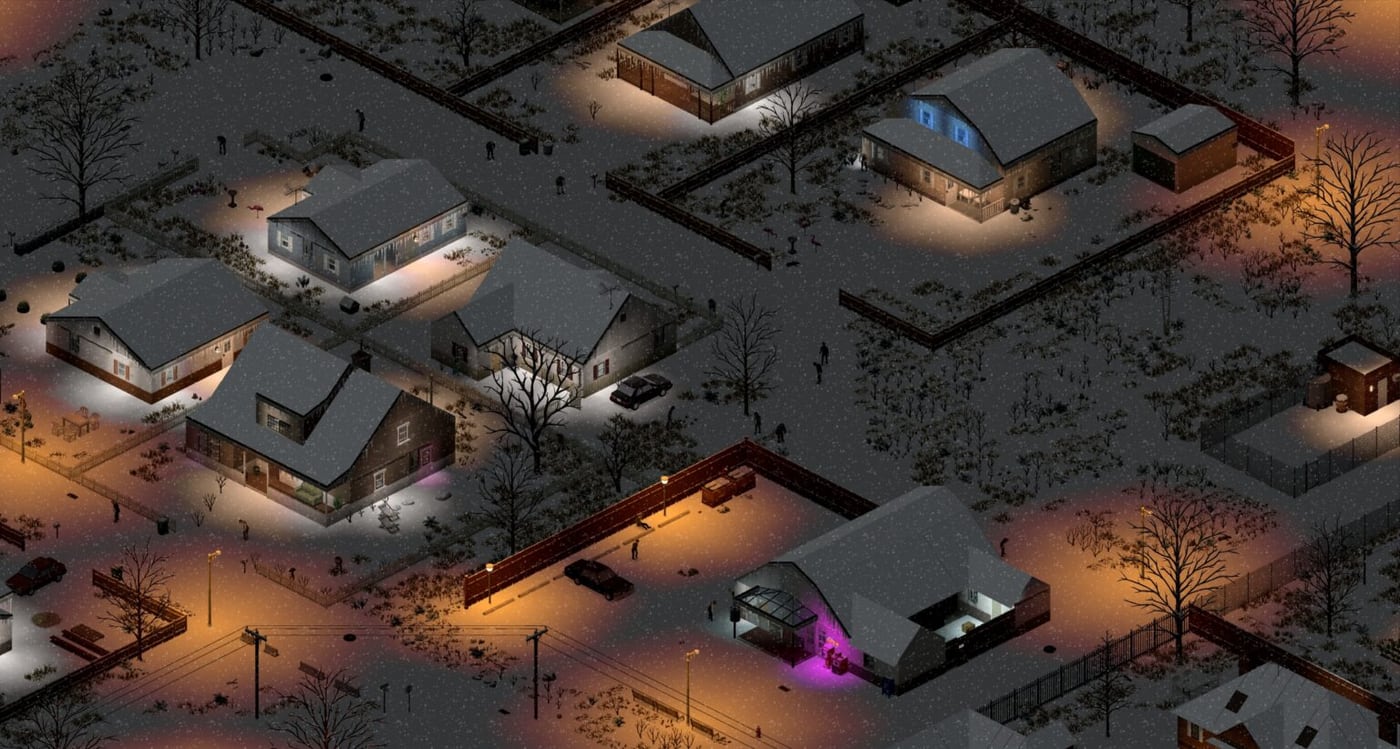
Cooking is the skill that turns scavenged cans into morale, stretches farm output through winter, and keeps boredom from rotting your willpower faster than zombies rot your perimeter. In Project Zomboid Build 42 Early Access, the cooking interface groups recipes by category, shows ingredient requirements clearly, and rewards players who plan meals around hunger, unhappiness, and spoilage timers-not around forum myths about high cooking levels magically refreshing rotten meat.
This guide covers Build 42 recipe UI habits, honest ingredient rules, skill books and VHS, antique oven winter setups, and homestead dishes like pies and cabbage rolls. Pair it with food preservation, farming and animals, foraging, fishing, and your first week food plan.
Build 42 cooking recipes UI
Open the cooking panel from a heat source-stove, campfire, microwave while power lasts, or antique oven-and browse recipe tabs. Build 42 surfaces which ingredients you hold in green, missing items in red, and optional substitutions where the game allows them. Filter mentally by calories per spoilage day early; filter by boredom reduction once your pantry stabilizes.
Right-click ingredients in inventory to see whether they are fresh, stale, or rotten before you commit. The UI will not stop you from selecting bad inputs for every recipe-read freshness yourself. Successful cooks grant cooking XP; failed or wasteful batches still cost fuel and time.
Hunger, boredom, and why cooking matters
Raw or repetitive calories keep you alive; cooked meals fight boredom and often unhappiness, which affect combat focus and base chores. A survivor eating dry cereal for two weeks functionally works-until panic, depression, or stress from other moodles stack.
Cooking also converts low-value forage into usable calories. Mushrooms, berries, and small game from foraging and fishing become safer, more satisfying meals with heat and skill. Schedule one cooking session after each loot or farm haul instead of treating the kitchen as optional flavor.
Fresh versus rotten ingredients-no myths
Rotten food stays rotten. High cooking skill improves outcomes from fresh or acceptable ingredients; it does not reset spoilage on meat that already turned. Stale items may still cook into edible dishes with penalties depending on recipe-do not assume a level-seven chef saves green-spoiled chicken.
Practical rules:
- Cook or preserve meat before it crosses from stale to rotten.
- Use oldest-safe ingredients first; rotate stock like a real pantry.
- Combine preservation (freezing, jars, drying) from food preservation with same-day cooking for surplus.
- When in doubt, throw it out-deep food poisoning wastes more calories than the item cost.
Forum advice claiming “Cooking 7 refreshes rot” is wrong in Build 42 Early Access. Plan logistics, not superstition.
Leveling cooking efficiently
Early XP comes from simple recipes: soups, stews, roasted vegetables, pasta dishes. Each successful craft adds XP; repeating easy recipes beats hoarding ingredients for one grand banquet.
Skill books multiply gains-read the tier matching your current level band before grinding, per skills and XP. TV cooking shows and VHS tapes still train while grid power exists-schedule them before water and power shutoff like any other skill media.
Profession chefs start ahead; everyone else should loot kitchens on suburban early loot runs for pots, pans, and recipe magazines.
Skill books, magazines, and VHS
Cooking books spawn on residential shelves and bookstore loot routes. Carry them home before reading in the field-weight and bite risk waste XP windows.
Magazines unlock specific recipes-pies, stir fries, advanced baking. Treat magazines as recipe keys, not XP shortcuts. VHS cooking tapes complement books when you lack the matching tier volume; stack both during the first month while electricity is free.
Antique oven and winter cooking
Standard electric stoves die when the grid shuts off. Antique ovens and wood-fired alternatives become winter lifelines: they cook without generator fuel if you have logs, and they heat adjacent rooms modestly.
Place antique ovens in ventilated indoor tiles-separate from sleeping areas but close to pantry crates. Stock fuel wood near safehouse carpentry projects; pair oven placement with rain collectors and preserved calories so snow days stay productive.
Winter is when cooking skill pays compound interest: preserved garden output from farming and animals becomes stews, pies, and baked goods that lift morale during short daylight hours.
Homestead cooking: pies, cabbage rolls, and batch meals
Build 42 rewards batch cooking for base dwellers:
Pies and baked goods - convert flour, fruit, and farm eggs into high-morale slices; excellent boredom fighters for long indoor weeks.
Cabbage rolls and stuffed dishes - use cabbage, rice, and minced meat efficiently; strong calorie bundles for manual labor days.
Soups and stews - dump mixed vegetables and leftover meat; forgiving XP while clearing fringe ingredients.
Roasts and grilled trays - weekend fuel spend that feeds co-op groups before long loot runs.
Cook once, eat twice-leftovers belong in fridges (while powered) or preservation chains immediately.
Integration with preservation and farming
Cooking without preservation loses summer surpluses. Freeze, jar, or dry extras per food preservation before rot timers win. Farming scales calories; cooking scales enjoyment and efficiency of those calories.
Animal products-eggs, milk, butchered meat-flow through the kitchen first, not straight into ice chests. Fish from river runs spoil fast; cook or smoke the same day when possible.
First-week cooking priorities
Days one to three: grab pot, pan, can opener, and any cooking skill book. Boil water, open cans, and bake simple items before chasing exotic recipes.
Days four to seven: link a stove or antique oven to your main base, start batch soups from looted vegetables, and read the first cooking book tier. If power still runs, queue a TV cooking episode while organizing pantry crates.
Multiplayer kitchen roles
Assign one cook per base rotation to reduce duplicate boiling and fuel waste. Share recipe magazines centrally-scanned or stored in a labeled crate. Combat scouts returning with perishable meat should drop it directly at the kitchen threshold, not in outdoor bags.
Mistakes to avoid
- Believing high cooking skill fixes rotten meat.
- Cooking without fuel backup after shutoff.
- Ignoring boredom until unhappiness debuffs combat.
- Hoarding recipe magazines unread while eating raw ingredients.
- Skipping antique oven setup before the first snow.
Early Access note
Recipe lists, XP rates, and ingredient interactions can change in Build 42 patches. After updates, verify freshness rules on a test meal before trusting old forum posts.
Frequently Asked Questions
Quick answers to the most common questions.
Does high cooking skill refresh rotten food in Build 42?
No. Rotten ingredients stay rotten. Cook or preserve food before spoilage worsens-see food preservation for storage options.
What is the fastest way to level cooking early?
Read matching skill book tiers, then repeat simple recipes like soups and pasta. Schedule TV or VHS cooking shows while grid power lasts per skills and XP.
Why use an antique oven instead of a stove?
Antique ovens cook with wood after electric shutoff, saving generator fuel in winter. Place one ventilated tile away from beds in your safehouse.
How does cooking help boredom and hunger?
Cooked meals typically reduce boredom and unhappiness compared to raw snacks, while delivering efficient calories. Variety matters on long saves-pies and stews beat repetitive dry food.
When should I start batch cooking for winter?
Begin when farm and loot surpluses appear-usually weeks two to four. Preserve extras first, then cook morale meals before snow from farming and animals output peaks.