Project Zomboid Electrical Skill Guide
Generators, wiring, and scrap electronics in Build 42
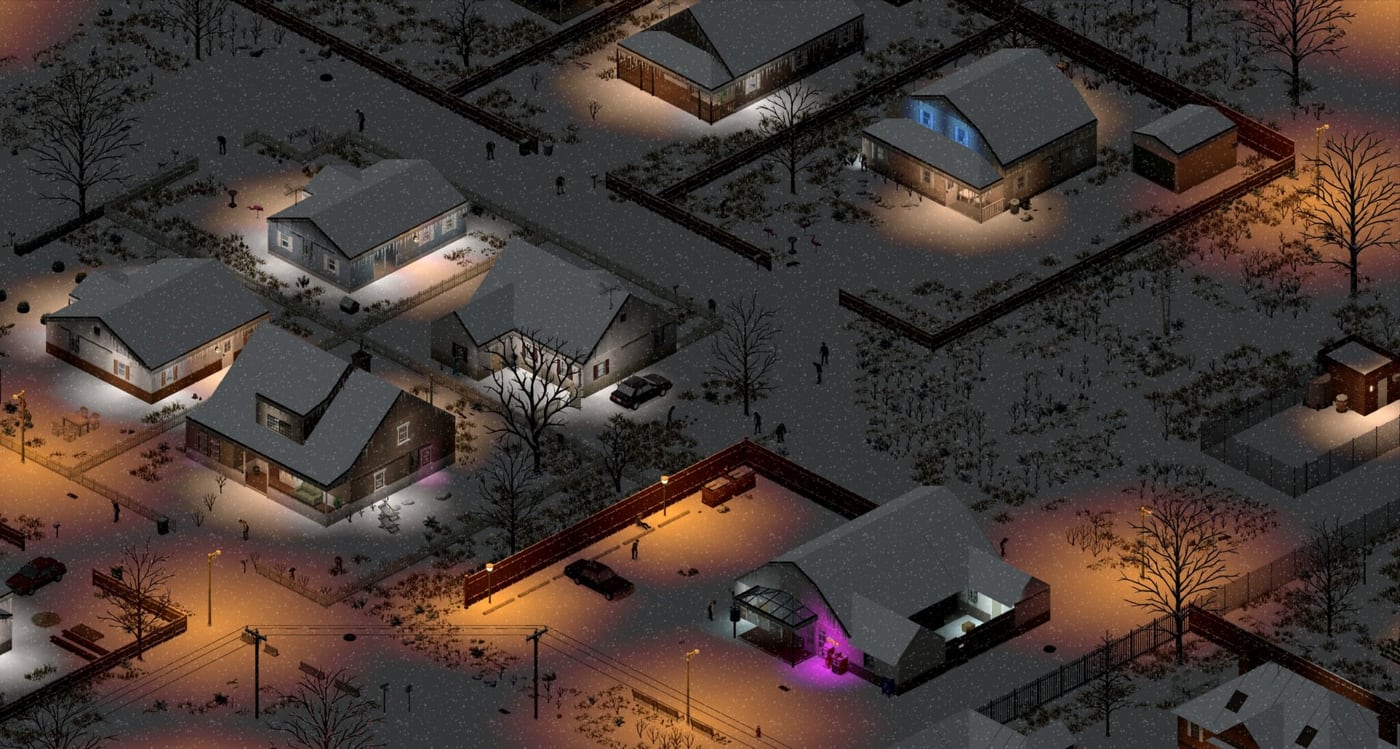
Electrical skill separates survivors who eat cold beans in the dark from survivors who run freezers, lights, and tool benches after Knox County’s grid dies. In Project Zomboid Build 42 Early Access, electrical XP comes from dismantling radios, televisions, and electronics scrap, then from wiring fixtures and maintaining generators once you know how. This guide covers leveling paths, generator knowledge requirements, the four generator types at a glance, lamp wiring, and post-shutoff power planning.
Deep generator fuel math, placement, and noise live in generators. Pair this page with water and power shutoff, vehicles and mechanics for battery loot, and skills and XP for book timing.
Why electrical peaks before shutoff
Grid power is a countdown. Every day you delay electrical training is a day of free refrigerator time you cannot get back-and a day closer to running extension cords in the rain without understanding load. Most bases need electrical literacy by weeks two to four: hot water for hygiene, lights for night loot sorting, and charged radios for weather awareness.
Electrical also gates scrap electronics repairs-fixing found radios and small devices instead of trashing them. That saves loot runs and trains XP cheaply before you risk generator mistakes.
Leveling via dismantling electronics
Early electrical XP is intentionally noisy and material-heavy:
- Dismantle radios, TVs, VCRs, and electronic scrap found in living rooms and office loot.
- Carry screwdriver and space for components-electronic parts, wires, and scrap metal feed later crafts.
- Work indoors during low zombie migration after clearing the room-dismantle animations take time.
- Batch dismantling in a garage or shed keeps street noise contained compared to front-yard grinding.
Do not dismantle your only working radio before you have a replacement or ham plan. XP is worthless if you lose emergency broadcasts.
Read electrical skill books at the matching tier before marathon dismantle sessions-multipliers from skills and XP beat raw repetition.
Generator knowledge: three paths
You cannot safely operate generators until the game recognizes generator knowledge. Build 42 Early Access accepts any of these:
- Electrical skill level 3 - natural path for dismantler-heavy characters.
- Magazine “How to Use Generators” - loot in garages, sheds, and hardware stores; read once.
- Electrician or Engineer profession - starts with knowledge baked in.
Without one of those, connecting a generator wastes fuel and risks house fires. Prioritize the magazine on hardware loot routes even if you plan to level via dismantling-Electrical 3 takes longer than one good garage run.
Four generator types-overview
Build 42 features distinct generator tiers with different fuel consumption, noise, and output. Exact numbers shift in Early Access patches-verify in your save after updates. At a high level:
| Type | Role |
|---|---|
| Standard portable | Common loot; balances noise and output for modest home circuits. |
| Heavy-duty / higher output | Feeds larger bases or more appliances; louder and thirstier. |
| Quiet / premium variants | Lower noise profile for urban stealth bases-trade fuel or rarity. |
| Specialty / mod-tier units | Server or patch-specific; treat as bonus, not plan core. |
Placement rules overlap all types: outdoor or ventilated tiles, exhaust away from sleepers, cable through windows with correct load math. See generators for square coverage, appliance priority lists, and safe refuel timing.
Wiring lamps and indoor lighting
Once electrical skill rises, wire lamps to extend generator hours efficiently. Lamps cost less load than floodlights everywhere; concentrate light in staging rooms, kitchens, and work benches.
Basic workflow:
- Place lamp fixture or standing lamp in target room.
- Connect wire from generator grid or house circuit per Build 42 wiring UI.
- Test load with generator running-verify which switches actually receive power.
- Label rooms in co-op bases so teammates do not flip breakers blindly.
Good lighting reduces night combat surprises and speeds inventory sorting after loot runs.
Scrap electronics repairs
Mid-level electrical enables repairing found devices instead of scrapping them. Radios restore weather and emergency info; televisions resume skill shows while power exists. Repairs consume spare parts from dismantling-hoard electronic scrap in labeled crates.
Repair training is quieter than generator experiments and pairs with vehicles and mechanics players who already hunt battery and wire loot for cars.
Power planning after shutoff
After water and power shutoff, treat electricity as a budget:
- Freezers first during short generator runs to pause spoilage.
- Lights and radios second for operational awareness.
- Charging tools and battery banks third if modded or future patches apply.
- Avoid running every appliance “because fuel is plentiful”-gas becomes scarce exactly when winter hunger spikes.
Schedule generator hours at base while characters read or craft indoors. Turn fuel into preserved food via freezer time, not vanity lighting.
Synergy with carpentry and base layout
Run generator cables through walls carpentry already sealed. Plan a power shed or porch tile for generator housing-separate noise from bedrooms, rain-safe refuel path, quick escape if zombies investigate engine sound.
Store gas cans nearby but not adjacent to open flames or antique ovens. One spark event erases weeks of electrical progress.
Multiplayer electrical roles
Designate one electrician per co-op base who owns generator start/stop logs. Others donate electronics scrap to a shared dismantle bin instead of dropping junk in random crates. Voice-call when refueling-live players have died to silent generator stalls mid-freezer cycle.
Common mistakes
- Connecting generators without magazine or Electrical 3 knowledge.
- Dismantling every radio before learning weather patterns.
- Overloading circuits and wondering why freezers idle.
- Running generators indoors without ventilation.
- Skipping lamp wiring and burning fuel on inefficient defaults.
Early Access note
Generator types, load calculations, and electrical XP sources remain active tuning targets in Build 42. After patches, re-read generators and test one appliance at a time on a live circuit before trusting old load spreadsheets.
Frequently Asked Questions
Quick answers to the most common questions.
How do I learn to use generators in Build 42?
Reach Electrical level 3, read the "How to Use Generators" magazine, or start as Electrician or Engineer. Without one of those, connecting a generator is unsafe.
What is the best early electrical XP source?
Dismantle radios, TVs, and electronics scrap indoors after clearing the room. Read matching electrical skill books first per skills and XP.
How many generator types exist in Build 42?
Four broad categories-portable standard, higher output, quieter premium, and specialty variants. Compare noise, fuel, and wattage in generators before buying or moving units.
Should I repair radios instead of dismantling them?
Keep one working weather radio early. After spare parts exist, repairs train electrical skill quietly and restore TV skill shows while grid power lasts.
When should I start running a generator after shutoff?
Once knowledge, fuel, and freezer contents justify the cost-usually after week two. Schedule short runs for preservation first; see water and power shutoff for timeline context.